Tag: ubud

  • Best Places to Visit in Indonesia: A Traveler’s Dream

    Best Places to Visit in Indonesia: A Traveler’s Dream

    When it comes to travel destinations that cater to every kind of wanderlust, Indonesia stands out as an absolute gem. From its stunning beaches to its rich cultural heritage, Indonesia offers some of the most diverse and beautiful experiences you’ll find anywhere in the world. Whether you’re a nature lover, a culture enthusiast, or an adventure seeker, the best places to visit in Indonesia will leave you awe-struck, inspired, and yearning for more.

    Check also: Best Bali Family Resorts

    As the largest archipelago in the world, Indonesia is made up of over 17,000 islands, each one offering something unique. But where should you start your adventure? In this guide, we’ll take you through the must-see places, from world-renowned Bali to the remote jungles of Borneo, offering travel tips, must-visit sites, and practical advice along the way. So, buckle up – Indonesia is calling!

    Top Destinations in Indonesia: Exploring the Best Places to Visit

    1. Bali: The Island of Gods

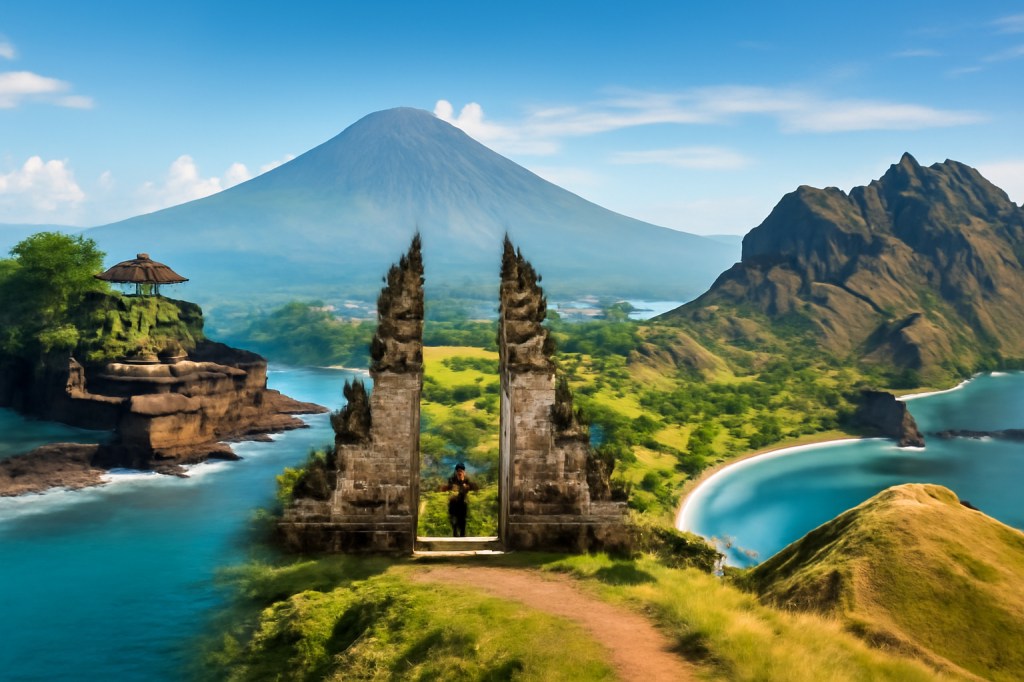
    It’s no surprise that Bali consistently ranks among the top places to visit in Indonesia. This tropical paradise is famous for its pristine beaches, crystal-clear waters, and an atmosphere that blends spirituality with modern-day pleasures. Whether you’re strolling along the shores of Seminyak, meditating in Ubud’s rice terraces, or enjoying a sunset in Uluwatu, Bali offers a balance of relaxation and excitement like no other.

    Bali is also the perfect place to experience Indonesia’s rich culture. The island is dotted with ancient temples, including the majestic Tanah Lot and the serene Besakih Temple. For nature lovers, don’t miss the chance to hike up Mount Batur, an active volcano that offers one of the most spectacular sunrises you’ll ever witness.

    1. Komodo Island: Home of the Dragons

    For a completely unique experience, Komodo Island in the eastern part of Indonesia should be at the top of your list. This UNESCO World Heritage site is home to the famous Komodo Dragons, the largest lizards in the world. Exploring the island, you’ll feel like you’ve stepped into a prehistoric world, with its rugged landscapes and wildlife roaming freely in their natural habitat.

    But Komodo Island isn’t just about the dragons. The island is surrounded by some of the most beautiful dive sites in the world. The crystal-clear waters of Komodo National Park are home to vibrant coral reefs, manta rays, and exotic marine life. Whether you’re a seasoned diver or a beginner, Komodo will undoubtedly take your breath away.

    1. Yogyakarta: A Cultural and Historical Heartbeat

    For those looking to dive into Indonesia’s history, Yogyakarta (often referred to as Jogja) offers a mesmerizing glimpse into the country’s cultural past. Home to two of Indonesia’s most significant temples – Borobudur and Prambanan – Yogyakarta is the epicenter of art, history, and tradition.

    Borobudur, the largest Buddhist temple in the world, is an awe-inspiring structure that dates back to the 9th century. Meanwhile, Prambanan, a stunning Hindu temple complex, is a UNESCO World Heritage site and one of the most impressive temple systems in Southeast Asia. Beyond the temples, Yogyakarta is also a hub for traditional Javanese arts, including batik-making, gamelan music, and shadow puppet theater.

    1. Jakarta: A Modern Metropolis

    As the bustling capital of Indonesia, Jakarta is a stark contrast to the tranquil temples and beaches of Bali. This sprawling city offers a mix of modern skyscrapers, vibrant street markets, and an ever-evolving food scene that blends Indonesian and international influences. For those who love urban exploration, Jakarta offers an exciting and dynamic experience.

    Don’t miss out on visiting the National Monument (Monas), a symbol of Indonesia’s independence, or the Kota Tua district, which holds remnants of Jakarta’s colonial past. And if you’re a foodie, Jakarta’s street food scene will blow your mind with everything from spicy satay to savory nasi goreng.

    1. Sumatra: A Nature Lover’s Paradise

    Located in the western part of Indonesia, Sumatra is a paradise for nature lovers and wildlife enthusiasts. Known for its rainforests, pristine lakes, and active volcanoes, Sumatra offers a completely different side of Indonesia’s natural beauty.

    Lake Toba, the largest volcanic lake in the world, is a stunning spot to visit, while Gunung Leuser National Park is home to orangutans, tigers, and elephants. Sumatra’s untouched landscapes are perfect for trekking, wildlife spotting, and immersing yourself in Indonesia’s raw natural beauty.

    Unique Experiences in Indonesia: More Than Just Sightseeing

    Beyond the famous tourist destinations, Indonesia offers unique experiences that will stay with you long after your trip. Whether you’re looking to dive into crystal-clear waters, explore active volcanoes, or immerse yourself in traditional arts, there’s something here for everyone.

    Diving and Snorkeling in Raja Ampat

    Raja Ampat, located off the coast of West Papua, is considered one of the best diving destinations in the world. With some of the richest marine biodiversity on the planet, this area is a dream come true for underwater enthusiasts. Whether you’re diving with manta rays or snorkeling among colorful coral gardens, Raja Ampat is an aquatic wonderland.

    Trekking the Volcanoes

    Indonesia is home to over 130 active volcanoes, and many of them are perfect for trekking. One of the most popular hikes is up Mount Rinjani in Lombok, where you can witness incredible views of the crater lake, Segara Anak. Another must-do volcano trek is Mount Bromo in East Java, where you can watch a surreal sunrise over the smoky craters.

    Travel Tips for Visiting Indonesia: Everything You Need to Know

    Best Time to Visit Indonesia

    Indonesia has a tropical climate, which means it’s generally warm all year round. However, the best time to visit is during the dry season, from May to September. This is when the weather is most favorable for outdoor activities, and you can enjoy clear skies and pleasant temperatures.

    Transportation Tips

    Getting around Indonesia can be a bit challenging, but there are plenty of options. If you’re traveling between islands, domestic flights are the most efficient way to go. Within cities, you’ll find taxis, buses, and ride-hailing services like Grab. For a more local experience, consider hopping on a tuk-tuk or a bemo (a shared minivan).

    Where to Stay in Indonesia: Accommodation for Every Budget

    From luxury resorts to budget hostels, Indonesia offers a wide range of accommodation options to suit every travel style and budget. In Bali, you’ll find beachfront resorts and private villas that offer a slice of paradise. In contrast, places like Yogyakarta and Sumatra offer eco-lodges and guesthouses that let you experience nature up close.

    For those seeking a more immersive experience, consider staying with local communities on remote islands or in the highlands of Papua. This not only supports local tourism but gives you a unique insight into Indonesia’s diverse cultures and traditions.

    Practical Travel Information: What You Need to Know

    Before you head to Indonesia, there are a few things to keep in mind. Most travelers will need a visa, which is available on arrival for many nationalities. The currency is the Indonesian Rupiah, and while larger cities accept credit cards, it’s always a good idea to carry cash for smaller transactions.
    Safety is generally not a concern, but like any travel destination, it’s wise to stay cautious, especially in crowded areas or on remote islands. It’s also recommended to have travel insurance to cover unexpected situations like illness or flight delays.

    Travel Tips for Visiting Indonesia: Everything You Need to Know

    Traveling to Indonesia is an exciting adventure, but to make the most of your experience, there are a few essential tips and pieces of advice to keep in mind. Whether you’re exploring bustling cities like Jakarta or wandering through the tranquil beaches of Bali, these tips will help you navigate the country with ease and ensure you have an unforgettable trip.

    Best Time to Visit Indonesia

    Indonesia is a year-round destination, but the weather varies depending on the region you’re visiting. The country experiences a tropical climate with distinct wet and dry seasons. The best time to visit most regions is during the dry season, which typically runs from May to September. During this period, you’ll have the best chance to enjoy outdoor activities like hiking volcanoes, snorkeling, or exploring temples.

    However, Bali, Jakarta, and Yogyakarta tend to see more tourists during the peak months of June to August. If you want to avoid the crowds, consider visiting in the shoulder months of May or September when the weather is still great, but there are fewer tourists.

    On the other hand, Sumatra and Borneo experience more rainfall due to their tropical forests, making them best visited during the dry season as well.

    Currency and Money Matters

    The official currency of Indonesia is the Indonesian Rupiah (IDR), and it’s essential to have cash for most purchases, especially in rural areas. While major cities like Jakarta and Bali have plenty of ATMs, and credit cards are widely accepted in hotels and larger restaurants, it’s still a good idea to carry some local currency for smaller vendors, transport, and off-the-beaten-path experiences.

    Currency exchange is easy in the major tourist destinations, but exchange rates can vary, so it’s worth comparing rates before exchanging money. Avoid exchanging money at airports, as the rates are often less favorable. Local markets and small shops often prefer cash, and tipping is not mandatory but appreciated.

    How to Get Around Indonesia

    Getting around Indonesia can be an adventure in itself, especially if you plan to visit multiple islands. Here’s what you need to know about the main transportation options:

    • Flights: Indonesia is an archipelago made up of over 17,000 islands, so flying is the quickest way to travel between destinations. There are numerous budget airlines like AirAsia, Lion Air, and Garuda Indonesia that offer affordable flights to popular destinations such as Bali, Jakarta, Yogyakarta, and Lombok. The domestic flight network is extensive, making it easy to hop between islands.
    • Trains: Java has a well-established train network, making it a scenic and comfortable way to travel between cities like Yogyakarta, Jakarta, and Surabaya. Trains are an excellent option for those who want to travel slowly and take in the landscape.
    • Ferries: Ferries connect many of Indonesia’s islands, and they are an affordable way to get from one island to another. Ferries can be crowded, especially during the holiday seasons, so it’s advisable to book tickets in advance if possible.
    • Tuk-Tuks and Bemos: In smaller cities and rural areas, tuk-tuks (auto-rickshaws) and bemos (minivans) are commonly used for short-distance travel. They’re affordable and offer a more local way to experience the area, though it’s a good idea to agree on the fare beforehand to avoid confusion.
    • Scooter Rental: Renting a scooter is a popular choice, especially in places like Bali and Lombok, where it gives you the freedom to explore at your own pace. However, ensure you have an international driving permit and take extra care when navigating busy roads.

    Health and Safety Tips

    Before you embark on your Indonesian adventure, it’s important to stay aware of basic health and safety guidelines:

    • Vaccinations: Make sure you are up to date with routine vaccinations such as hepatitis A, hepatitis B, typhoid, and rabies. Malaria is a concern in some parts of Indonesia, so consult with a travel clinic about necessary precautions, especially if you’re visiting places like Sumatra, Kalimantan, or Sulawesi.
    • Travel Insurance: Always travel with insurance that covers medical emergencies, cancellations, and lost luggage. Indonesia’s medical infrastructure in major cities is generally good, but remote areas may have limited access to healthcare facilities.
    • Safety: Indonesia is a relatively safe country for tourists, but it’s always important to stay cautious. Pickpocketing and petty theft can occur in crowded areas like markets or tourist spots. Avoid walking alone late at night, especially in less crowded areas. Additionally, stay informed about weather conditions when trekking in mountainous regions, as volcanic eruptions or heavy rainfall can sometimes impact travel plans.

    Where to Stay in Indonesia: Accommodation for Every Budget

    No matter your budget or travel style, Indonesia offers a wide range of accommodation options that cater to every type of traveler. From luxurious beachfront resorts in Bali to eco-friendly eco-lodges on remote islands, there’s something for everyone.

    Luxury Resorts and Villas

    If you’re looking for luxury, Bali is the perfect destination, with numerous high-end resorts and private villas offering incredible views and world-class amenities. Areas like Ubud and Seminyak are packed with upscale resorts that feature infinity pools, fine dining, and wellness retreats.

    For those seeking a more intimate experience, Nusa Dua and Jimbaran offer serene beachfront properties that allow you to relax and unwind in style.

    Mid-Range Accommodation

    Indonesia also has plenty of mid-range accommodation options, particularly in Yogyakarta, Lombok, and Labuan Bajo. You’ll find boutique hotels, charming guesthouses, and private bungalows that offer comfort without breaking the bank. Many of these places offer personalized service, and you’ll often be able to experience local culture through décor and traditional food.

    Budget-Friendly Stays

    Traveling on a budget? Not to worry! Indonesia is home to many affordable accommodation options, especially in places like Kuta (Bali), Ubud, and Gili Islands. Hostels, homestays, and budget hotels are abundant, offering basic amenities at incredibly affordable prices.

    If you’re looking for something more unique, consider staying with locals in traditional villages or even in eco-lodges nestled deep within jungles or near waterfalls. This will not only save you money but also provide an authentic and immersive experience.

    Practical Travel Information: What You Need to Know

    Before you pack your bags for Indonesia, here are some essential pieces of practical travel information that will help you navigate the country with ease.

    Visa Requirements

    Most visitors to Indonesia can obtain a tourist visa on arrival, which is valid for 30 days and can be extended once. However, if you plan to stay longer or have specific travel needs, it’s advisable to check the visa requirements for your nationality ahead of time. Always carry a copy of your passport and visa to avoid any issues at checkpoints.

    What to Pack for Your Trip

    Indonesia’s tropical climate means you’ll need lightweight, breathable clothing. However, if you plan on visiting temples or rural areas, it’s important to dress modestly. Women should cover their shoulders and knees, while men should also avoid wearing shorts at religious sites.

    In addition to sunscreen, bug spray (especially in forested areas), and a good pair of walking shoes for trekking or exploring, it’s also wise to pack a power bank and universal adapter, as power outages are common in some remote areas.

    Safety and Local Customs

    Indonesia is a predominantly Muslim country, and while it’s generally welcoming of tourists, it’s important to respect local customs and traditions. When visiting temples, dress modestly, and always ask for permission before taking photos, especially of people.

    In rural areas, many communities still maintain traditional practices, so it’s essential to be respectful of local customs and be open to learning about the culture. In the bustling cities, be mindful of traffic and pedestrians when walking, as traffic can be chaotic, particularly in places like Jakarta.
  • Bali in November: What to Expect, Pack & Do This Rainy Season

    Bali in November: What to Expect, Pack & Do This Rainy Season

    Bali in November presents a unique opportunity for travelers who seek to experience the island without the usual crowds and high prices. November is the cusp of the rainy season, which means that while there’s a greater chance of rain, you also get to enjoy Bali’s lush green landscapes and more affordable accommodations. With fewer tourists, Bali in November offers an authentic, laid-back vacation experience, ideal for those who prefer a quieter and more peaceful setting.

    Weather in Bali in November

    Bali’s climate is categorized as tropical, with a distinctive dry season running from April to October and a rainy season beginning in November. During this time, Bali experiences an increase in rainfall, but it’s not a non-stop deluge. Instead, short, intense showers are common, usually in the afternoon or evening. This means you can still enjoy the mornings and early afternoons in great weather, perfect for outdoor activities.

    The average temperature in Bali during November ranges from 24°C (75°F) in the evenings to 31°C (88°F) during the day. Humidity is relatively high, but with occasional rain, the atmosphere is fresher compared to the dry season. While the rain might affect your outdoor plans, the island’s lush natural beauty becomes even more vibrant, and the rainfall doesn’t usually last long.

    Advantages of Visiting Bali in November

    November presents several advantages for visitors looking to explore Bali without dealing with the typical high-season rush. Since it’s the beginning of the rainy season, Bali’s main tourist spots are far less crowded. You can enjoy popular destinations like Ubud, Seminyak, and the temples at your own pace, without the long queues or the pressure of sharing the space with hundreds of other tourists.

    Additionally, November is a great month for savings. With the off-peak season comes lower accommodation prices, cheaper flights, and more affordable tours. For budget-conscious travelers or those looking to enjoy luxury experiences without the luxury prices, November is the ideal time to visit.

    Whether you’re seeking a more intimate experience with Bali’s natural wonders or want to enjoy its culture and spiritual attractions, the less crowded atmosphere enhances the charm of the island in November.

    What to Do in Bali in November

    While Bali in November may see some rain, there’s still a multitude of activities to keep you busy.

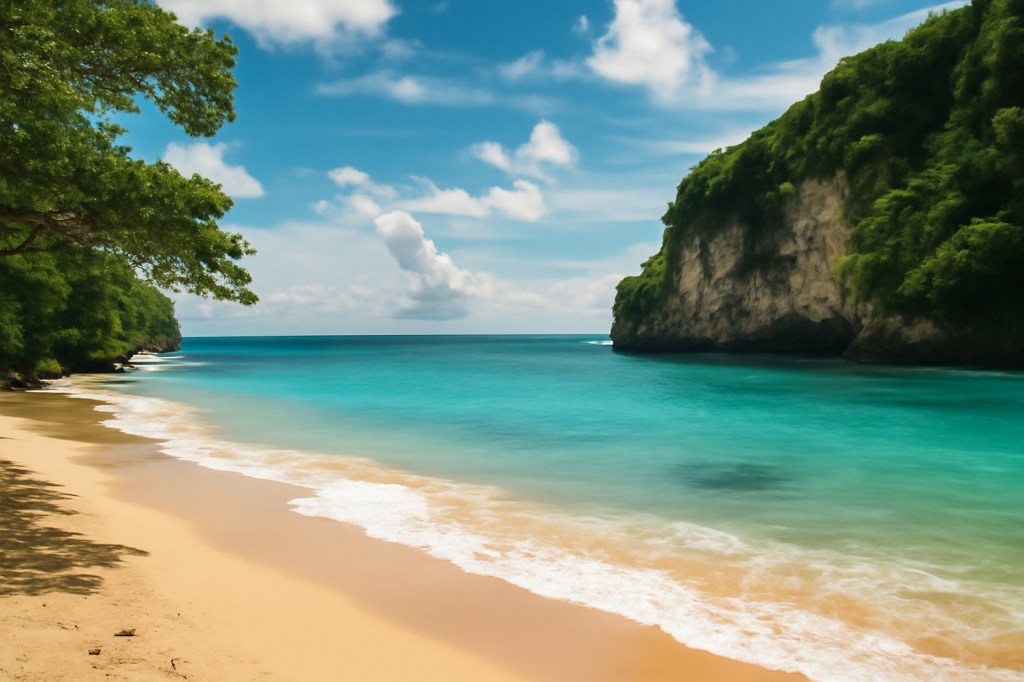
    • Beach Days: Bali is known for its beautiful beaches, and even though it’s the rainy season, there are still plenty of moments where the sun shines through. Beaches like Kuta, Seminyak, and Jimbaran are perfect for sunbathing, swimming, and surfing. If you’re visiting Bali for the first time, November’s smaller crowds mean you can claim your spot on the sand without the usual hustle. However, it’s important to check the weather daily and keep an eye out for any afternoon showers.
    • Temple Visits: Bali is rich in culture and spirituality, with countless temples scattered across the island. The rain during November can lend a mystical atmosphere to temples like Tanah Lot and Uluwatu Temple. Even if there’s a brief downpour, the temple grounds often offer shelter, allowing you to continue exploring. Plus, the rain makes the surrounding landscapes even more dramatic and beautiful.
    • Trekking and Waterfalls: November is also a great time to explore Bali’s natural beauty, particularly its famous waterfalls. Popular waterfalls like Tegenungan and Gitgit are stunning year-round, but they’re even more breathtaking when the rain gives the landscape a lush green glow. If you’re into trekking, Bali’s mountain trails are generally less crowded in November, allowing you to enjoy serene hikes, like those leading to Mount Batur at sunrise.
    • Cultural Experiences and Yoga: Bali is also known for its wellness and spiritual retreats. November is a perfect time to immerse yourself in Balinese culture, whether it’s through a traditional cooking class, a yoga retreat in Ubud, or even a Balinese dance workshop. Bali in November allows you to engage with the local culture more intimately, with fewer tourists around.

    Top Destinations to Visit in Bali in November

    While Bali offers a wide variety of destinations, certain spots stand out during November due to their balance of cultural richness and accessibility during the rainy season.

    • Ubud: The cultural heart of Bali, Ubud is perfect for November travel. The combination of art galleries, yoga retreats, and spiritual sites make it an ideal destination to unwind and experience Bali’s authentic charm. Ubud’s rice terraces are especially stunning during the rainy season, when the fields are vibrant and lush. With fewer tourists visiting, Ubud offers a more tranquil atmosphere for exploration.
    • Seminyak: Known for its luxury resorts, trendy beach clubs, and fantastic shopping scene, Seminyak is a popular choice for those looking to experience Bali’s upscale side. November is a great time to visit Seminyak, as you can enjoy its famous beach clubs without the large crowds. With relaxed vibes, Seminyak is also perfect for enjoying spa treatments and fine dining.
    • Jimbaran: For those who enjoy seafood and stunning sunsets, Jimbaran is an ideal November destination. The rain may offer a cooler breeze in the evening, which makes dining on the beach even more delightful. Don’t miss out on a traditional seafood barbecue by the beach while watching the vibrant sunset.
    • Nusa Dua: Known for its luxurious beachfront resorts, Nusa Dua is perfect for family-friendly holidays. November’s lower crowds make it a great time to visit the area’s world-class resorts, beaches, and golf courses. Nusa Dua’s calm beaches are great for swimming and water sports.
    • Munduk & Amed: For a more tranquil and off-the-beaten-path experience, head to Munduk or Amed. These less-visited gems offer beautiful landscapes, stunning waterfalls, and quiet beaches. The rain makes the region’s already beautiful landscapes even more enchanting.

    Local Events and Festivals in November

    November in Bali is not just about the weather; it’s also about experiencing the island’s rich culture. You might encounter a variety of local festivals, especially temple ceremonies, during your visit. Bali’s Hindu population observes multiple religious festivals throughout the year, and in November, you might be able to witness Diwali or other local celebrations. These events provide a unique glimpse into Bali’s traditions and spirituality.

    Additionally, Bali’s arts and culture scene tends to be less crowded in November, offering a peaceful time to attend art exhibitions, cultural shows, and local performances that take place throughout Ubud and other cultural hubs on the island.

    Practical Tips for Bali in November

    • Pack for Rain: Bring a lightweight rain jacket or umbrella to prepare for the afternoon showers.
    • Book Accommodation Early: Although it’s the rainy season, many resorts offer special discounts during this time, so booking in advance can save you money.
    • Timing for Activities: Try to schedule outdoor activities in the mornings when the weather tends to be clearer.
    • Stay Flexible: Bali’s weather can change quickly, so stay flexible with your plans and always have a backup plan for indoor activities.

    Bali in November offers travelers a unique opportunity to experience the island’s beauty without the typical crowds. The quieter, more peaceful atmosphere combined with cheaper accommodation rates makes it an excellent time to explore Bali’s rich culture, stunning landscapes, and tropical allure. Whether you’re into adventure, relaxation, or cultural experiences, Bali in November has something for everyone, offering a trip to remember.

    Transportation and Getting Around Bali in November

    Navigating Bali in November is relatively easy, as the island is well-equipped with a variety of transportation options. During this off-season period, you may find that traffic is slightly lighter, especially in tourist-heavy areas like Kuta and Seminyak, which are usually packed in peak months. Bali’s roads tend to be less crowded in November, so getting around by car or scooter can be more pleasant.

    • Scooter Rentals: Renting a scooter is a popular way to explore Bali, and with fewer tourists in November, it’s a great time to cruise through Bali’s scenic landscapes. Whether you’re heading towards Ubud’s rice terraces or taking a coastal route to discover hidden beaches, a scooter gives you the freedom to explore at your own pace. Remember to always wear a helmet and drive safely.
    • Private Drivers: For those looking for comfort, hiring a private driver for day trips is a convenient option. With the lower demand in November, it’s often easier to book a driver at an affordable price. A private driver is also a good choice for visiting places like Uluwatu, Tanah Lot, or other far-off temples, allowing you to avoid the hassle of public transportation and reach less accessible spots in comfort.
    • Taxis and Ride-Sharing: Ride-sharing apps like Gojek and Grab are widely available across Bali, making them an excellent option for short distances. Taxis are also easy to find, but ride-sharing services generally offer more transparent pricing and faster pick-up times.
    • Public Transport: Bali doesn’t have an extensive public transportation system, so it’s best to rely on taxis, private drivers, or scooters for most of your travel needs. However, you can find local buses in areas like Kuta or Denpasar, but they tend to be slow and are not always the most convenient for tourists.

    Where to Stay in Bali in November

    Since November is part of Bali’s off-season, you’ll find great deals on hotels, resorts, and villas across the island. Whether you’re looking for budget-friendly options or luxurious 5-star resorts, this time of year offers a wide variety of choices that are easier to book and often come with discounts.

    • Luxury Resorts: Bali is home to some of the world’s most luxurious resorts, and many of them offer special packages during the off-season. Consider staying at resorts like The St. Regis Bali in Nusa Dua, Ayana Resort and Spa in Jimbaran, or Four Seasons Resort Bali at Sayan in Ubud. November offers fewer crowds, so you can enjoy the exclusivity of these resorts without the usual high-season rush.
    • Boutique Hotels: If you’re looking for a more intimate experience, boutique hotels in areas like Ubud or Seminyak offer charm and comfort with personalized service. Many boutique hotels offer outdoor pools, garden spaces, and yoga retreats, making it easy to unwind and enjoy Bali’s serene vibe.
    • Budget Stays: For those on a tighter budget, Bali offers a wide range of affordable guesthouses and hostels. Areas like Canggu and Kuta are full of budget-friendly options that still provide comfortable accommodations with easy access to the island’s key attractions. Many budget options come with beautiful gardens, pools, and access to Bali’s vibrant social scene.
    • Villas: For a more private, personalized experience, renting a villa in Bali is a fantastic option. You can find beautiful private villas with pools and lush tropical gardens that offer a peaceful retreat. In November, villa prices are significantly lower than in peak months, making it an ideal time for a private getaway.

    Food and Dining in Bali in November

    Bali’s food scene is one of the highlights of any trip, and in November, you’ll get the chance to enjoy its world-renowned cuisine without the usual crowds. From street food stalls serving nasi goreng to high-end restaurants offering fusion dishes, Bali has a culinary scene to satisfy every taste.

    • Street Food: The rainy season can make street food even more inviting, as you can enjoy a steaming bowl of soto ayam (chicken soup) or bakso (meatball soup) in the warmth of a local warung. Bali’s street food vendors are plentiful, and many serve up delicious meals for a very affordable price. In places like Ubud, Seminyak, and Canggu, you can easily find street food vendors offering authentic local dishes.
    • Fine Dining: Bali is home to several high-end dining establishments that focus on both local and international flavors. Restaurants like Mamasan in Seminyak and Locavore in Ubud offer exquisite dining experiences with fresh, local ingredients. In November, reservations are easier to secure, and you can enjoy a more relaxed and intimate meal without long waits or packed tables.
    • Vegan and Vegetarian Options: Bali has become a haven for plant-based eaters, and there’s no shortage of vegan and vegetarian restaurants, particularly in Ubud and Canggu. Many establishments focus on healthy, organic ingredients, and you can find everything from smoothie bowls and salads to plant-based Indonesian dishes. The off-season is a great time to explore these health-conscious eateries at a leisurely pace.
    • Seafood: Bali’s coastal areas are known for their fresh seafood, and Jimbaran is especially famous for its beachside seafood BBQs. During November, you’ll enjoy quieter beach dining experiences, with the added charm of Bali’s rainy season breeze.

    Shopping in Bali in November

    Shopping in Bali is an experience that combines local craftsmanship with unique finds from across the island. In November, with fewer tourists around, shopping becomes a more relaxed activity, allowing you to explore Bali’s markets and boutique stores at a more leisurely pace.

    • Markets: Bali is famous for its vibrant markets, and Ubud Market is one of the most popular. Whether you’re looking for traditional crafts, clothing, or souvenirs, the market offers a variety of items. November’s off-season means there will be fewer crowds, giving you the opportunity to haggle for better prices and enjoy a more personalized shopping experience.
    • Boutiques and Art Galleries: If you’re in Ubud, don’t miss out on the many boutiques and art galleries offering everything from hand-painted textiles to unique paintings. Bali has a thriving art scene, and many galleries offer works from local artists, providing an excellent opportunity to take home a one-of-a-kind souvenir.
    • Seminyak and Canggu: For those looking for upscale shopping, head to Seminyak and Canggu, where you’ll find a mix of high-end fashion boutiques, beachwear shops, and home décor stores. These areas offer stylish shopping experiences where you can find Bali-inspired fashion, jewelry, and art.

    Making the Most of Bali in November

    Bali in November is a perfect destination for those who want to avoid the bustling crowds of the high season while still enjoying everything the island has to offer. With the weather transitioning from the dry season to the rainy season, you’ll find fewer tourists at major attractions, lower prices for accommodations and activities, and a more relaxed pace.

    While the rain might cause brief interruptions to your outdoor plans, it often enhances Bali’s natural beauty, making the island feel even more lush and vibrant. The off-season deals also allow you to experience luxury resorts and boutique hotels at a fraction of the price, providing an unforgettable and budget-friendly Bali vacation.

    November in Bali is a special time to experience the island’s unique culture, serene beaches, and lush landscapes while avoiding the hustle and bustle of peak tourist season. Whether you’re an adventure seeker, a culture enthusiast, or simply looking for a peaceful retreat, Bali in November is sure to offer a memorable escape.

Design a site like this with WordPress.com
Get started