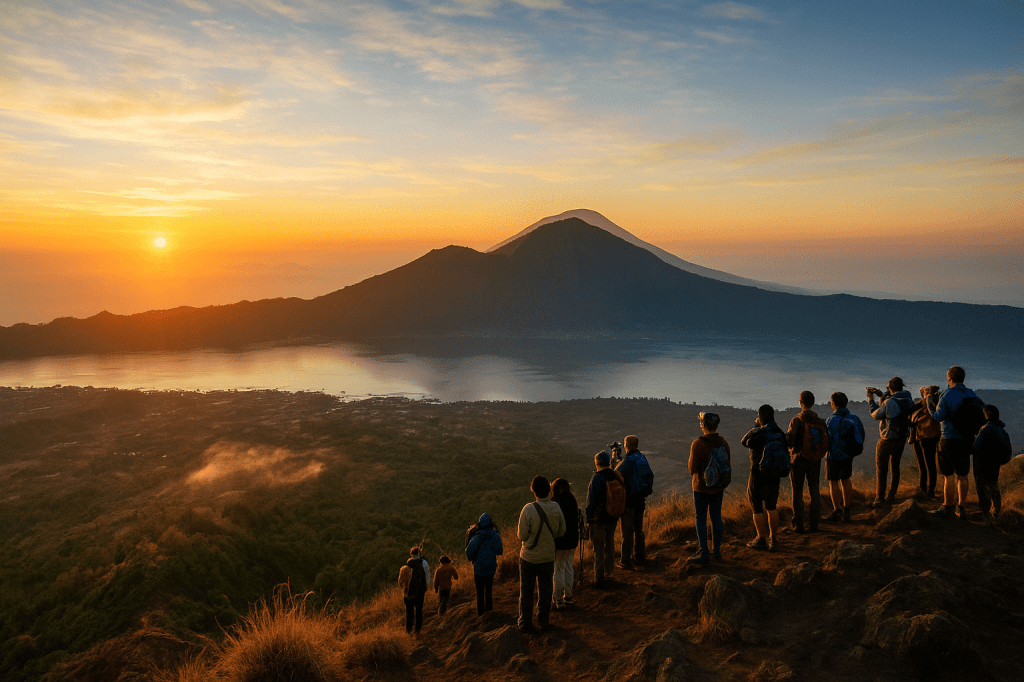
If you’re planning a trip to the Island of the Gods, chances are you’ve already come across tons of options for volcano trekking packages in Bali. And trust me, it’s not just hype—climbing one of Bali’s active volcanoes is hands-down one of the most rewarding experiences you can have on the island. I’ve done a couple myself, from the classic Mount Batur sunrise trek to the tougher (but seriously epic) Mount Agung climb, and each one has been a mix of sweat, laughs, and that jaw-dropping “wow, this is worth every step” kind of view.
Now, I know what you’re probably thinking: with so many trekking companies, how do you even pick the right package? Some tours cost next to nothing, while others charge the price of a fancy villa stay. But here’s the thing—choosing the right volcano trekking deal isn’t just about saving money, it’s also about safety, convenience, and making sure you don’t end up exhausted and disappointed.
I’m going to break down what you can expect from these trekking packages, the different mountains you can climb, the average costs, what’s included, what’s not worth paying for, and some insider details from my own experiences. Hopefully, this helps you decide which trek is worth your time (and energy).
Read also: Best Places to Visit in Indonesia
Why Volcano Trekking in Bali Is Such a Big Deal
Before we dive into the nitty-gritty of trekking packages, let’s quickly talk about why volcano trekking is basically a “must” activity when you’re in Bali.
- First, it’s the sunrise. I know sunrise spots are a dime a dozen in Bali—beaches, rice terraces, cliffside bars—but there’s just something magical about watching the sky light up while standing on the edge of a volcano. The mix of chilly mountain air, the steam rising from volcanic vents, and the way the island slowly wakes up beneath you—it’s just pure magic.
- Second, the sense of achievement. It doesn’t matter if you’re a seasoned hiker or someone who rarely does more than a morning walk; reaching the top of a volcano feels like an accomplishment. You push yourself, sometimes more than you thought you could, and the reward is massive.
- And third, the spiritual side. Balinese people see volcanoes as sacred mountains, and there’s this feeling of reverence when you’re up there. Mount Agung, for example, is considered the “navel of the world” in Balinese Hindu belief. That alone makes the trek more than just a physical activity—it feels cultural and spiritual too.
Different Volcano Trekking Packages in Bali
When people say “volcano trekking packages in Bali,” they’re usually talking about Mount Batur, Mount Agung, and sometimes Mount Abang or even Mount Batukaru. Each mountain has a different vibe, difficulty level, and price tag.
Mount Batur Trekking Packages
Let’s be real—Mount Batur is the star of the show when it comes to trekking tours in Bali. Almost every traveler I’ve met who comes here ends up doing this one. The trek is relatively easy (about 2 hours to the summit), and the sunrise is out of this world.
Packages for Mount Batur usually include:
- Hotel pickup and drop-off (from Ubud, Kuta, Canggu, Seminyak, etc.)
- A local guide (mandatory by law for safety reasons)
- Flashlight or headlamp
- Breakfast at the top (usually boiled eggs cooked in volcanic steam, banana sandwiches, and hot tea or coffee)
Price range: anywhere from $25 to $60 USD per person depending on inclusions and whether it’s private or group.
From personal experience: Don’t go for the cheapest one you find on random Facebook groups. I once booked a “budget” trek and ended up in a group of 40 people—felt like a school trip, not an adventure. Paying a little extra for a smaller group or private guide makes a big difference.
Mount Agung Trekking Packages
This one is for the brave. Mount Agung is Bali’s highest and holiest mountain, and it’s a serious climb. Depending on the starting point, it can take 6–12 hours to summit. It’s steep, rocky, and at times, brutal. But the view? Absolutely worth it. On a clear morning, you can see Mount Rinjani in Lombok and even further across the sea.
Agung packages usually include:
- Hotel transfers (you’ll get picked up around 10 pm or midnight)
- Licensed local guide (you cannot hike Agung without one)
- Flashlight and trekking poles
- Simple breakfast at the top (same steamed eggs and tea setup as Batur)
Price range: $60 to $120 USD per person.
From my own climb: I’ll be honest, this trek nearly broke me. I started from Besakih Temple at midnight, and by 3 am I was already questioning my life choices. But standing at the peak with the clouds beneath me? Unreal. If you’re fit and up for a challenge, go for it. If not, stick to Batur.
Mount Abang Trekking Packages
Mount Abang doesn’t get as much attention as Batur or Agung, but it’s actually the third highest peak in Bali. The trek takes about 3–4 hours, and it’s quieter since fewer tourists know about it. The vibe is more “jungle adventure” because the path is shaded by thick forest most of the way.
Packages here are similar to Batur:
- Guide
- Flashlight
- Transport from your hotel
- Simple snacks or breakfast
Price range: $40–70 USD per person.
It’s not as popular, but if you hate crowds and want something more peaceful, Abang might be your thing.
Mount Batukaru Trekking Packages
Mount Batukaru is the second highest peak in Bali, but you won’t find nearly as many people trekking here. The trail is lush, green, and filled with bird calls. The trek is longer than Batur, usually 5–7 hours, but the terrain isn’t as tough as Agung.
Packages here are a bit pricier since it’s less touristy:
- Transport
- Guide
- Packed breakfast or lunch
- Sometimes temple entry fees
Price range: $60–100 USD per person.
I haven’t done Batukaru yet, but a friend of mine who did said it felt like walking through “Jurassic Park.” She barely saw other hikers the whole way.
What’s Usually Included in Bali Volcano Trekking Packages
One of the biggest questions travelers have is: what do these packages actually cover? Based on what I’ve seen and experienced, most include the same basic things:
- Hotel pickup and drop-off. This is huge because the treks start ridiculously early (2–3 am). The last thing you want is to stress about transport at that hour.
- Local guide. This is non-negotiable. According to Indonesia’s official tourism board, guides are required for all major treks in Bali both for safety and to support local communities.
- Breakfast at the summit. Don’t expect anything fancy—usually just eggs, bananas, and bread. But honestly, it tastes amazing after the climb.
- Flashlights/headlamps. Unless you bring your own.
- Entrance fees. Some trekking packages already include entrance to the volcano area, others will ask you to pay separately.
Extras like jeep rides, hot springs after the trek, or coffee plantation visits are sometimes added on. Personally, I loved ending my Batur trek with a dip in a hot spring—it felt like heaven on my sore legs.
How Much Do Volcano Trekking Packages in Bali Really Cost?
Prices vary depending on the company, the mountain, and whether you go private or group. But here’s a realistic breakdown:
- Budget group trek (Batur): $25–35 per person
- Mid-range trek (Batur, small group + hot springs): $40–60
- Private trek (Batur): $70–90 per person
- Agung trek (group): $60–80
- Agung trek (private): $90–120
- Abang/Batukaru trek: $50–100
One tip I learned the hard way—watch out for “hidden fees.” Some operators will quote you a low price but then add things like entrance tickets or transport as “extras.” Always ask upfront: “Is this all-inclusive?”
My Honest Take on Choosing the Right Package
Here’s where my personal experience really kicks in.
- If you’re short on time and want something easy but memorable, go for Mount Batur. It’s touristy, yes, but still an incredible experience.
- If you’re fit and looking for a serious adventure, Mount Agung will test you but reward you big-time.
- If you hate crowds and love greenery, Mount Abang or Batukaru are your best bets.
Also, pay attention to group size. A small group trek (like 6–8 people) feels way better than a huge one. You get more attention from the guide, can set your own pace, and it just feels more personal.
Practical Tips from Experience
I want to quickly share a few little details that no one told me before my first trek:
- It’s cold at the top. Even in Bali. Bring a jacket. I wore just a hoodie once and ended up shivering until sunrise.
- Shoes matter. Don’t hike in sandals. Sneakers work, but hiking shoes are best.
- Don’t overpack. You’ll regret carrying too much. Water, a snack, a light jacket, that’s enough.
- Cash is king. Sometimes you’ll want extra coffee or to tip your guide. Bring small bills.
- The toilets at the base? Let’s just say… go before you leave your hotel.
Safety and Fitness Preparation for Volcano Treks in Bali
One thing that often gets overlooked when booking volcano trekking packages in Bali is just how important safety and fitness are. I’ve seen people underestimate the climb, thinking it’s just a quick hike like walking up to a scenic rice terrace. But these volcanoes are serious mountains, and conditions can change fast.
For example, on my Mount Agung climb, the weather shifted from clear skies to heavy mist in under 20 minutes. The trail became slippery, visibility dropped, and I realized just how important it was to have a professional guide. They know the routes, they know the risks, and they’ve been trained to handle emergencies. Don’t ever try to trek without one, even if you think you’re experienced.
Fitness-wise, Mount Batur is manageable for most people with average health. I’ve seen families with kids as young as 7 make it to the summit. But Mount Agung is another story—it’s a challenge even for people who work out regularly. If you haven’t done a hike in years, I’d say build up with some easier treks first. Do a couple of rice field walks, try a waterfall hike in Munduk, and then attempt a volcano. Trust me, your body will thank you later.
And let’s talk gear for a second. Yes, most packages provide flashlights, but if you have your own headlamp, bring it—it’s more comfortable and frees up your hands. A lightweight jacket is a lifesaver, and a small backpack with water is all you really need. Hiking poles can help on the way down too, especially if your knees aren’t in the best shape.
Please remember that safety should always come first. The views are incredible, but they’re only worth it if you get back down in one piece.
 Bali Tua